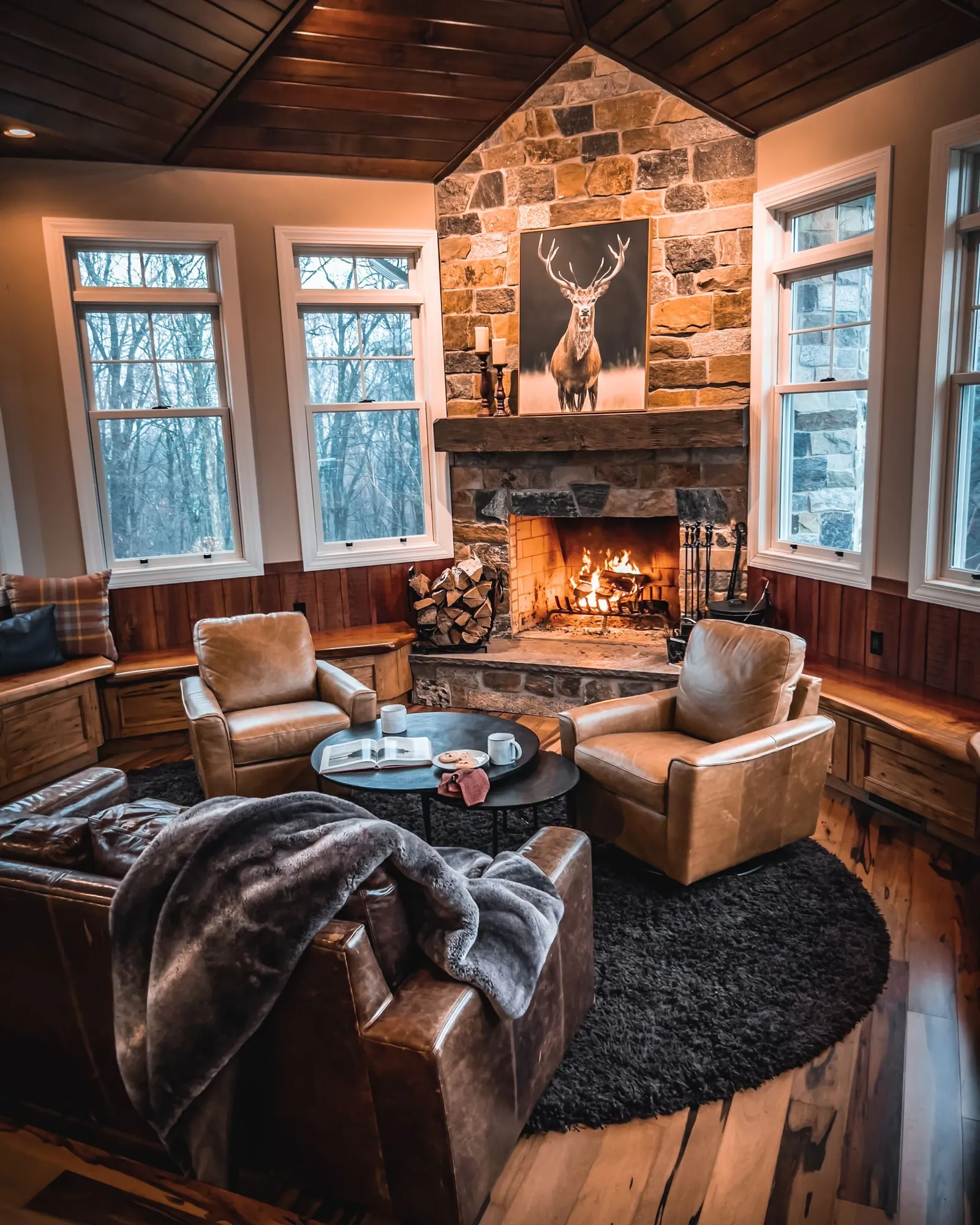
Fireplace Damper Repair in Denver
We free, repair or replace stuck and leaky dampers, and install top-sealing dampers that close at the chimney top. Throat damper repairs typically $150 to $450.
The damper is the metal plate that opens to let smoke out and closes to keep cold air from pouring down the chimney when the fireplace is off. In older Denver homes it is usually a cast-iron throat damper just above the firebox. After decades of heat and the moisture that comes down an uncapped flue, those plates rust, warp and stop seating.
A damper that will not open sends smoke into the room. A damper that will not close lets heated air escape all winter, and with about 5,860 heating degree days a year at Denver's airport, that is a lot of heating season. Most throat damper repairs run $150 to $450. A top-sealing damper, installed at the top of the flue with a cable to the firebox, is priced at the inspection.
Signs you need this
- The handle spins, sticks or will not move
- A cold draft or outdoor smell from the fireplace when it is closed
- Light visible up the flue with the damper shut
- Rust flakes falling into the firebox
- Smoke rolling into the room even with the damper set open
How we do it
- Find out why it failsAt the free inspection we check the plate, frame, pivots and handle, and look for the water source that rusted it.
- Repair if the frame is soundSeized pivots are freed, handles and springs replaced and the plate adjusted so it seals. Most repairs are done the same visit.
- Replace or add a top damperIf the frame is warped or rusted through, a top-sealing damper is often the better fix. It also works as a cap and seals tighter than a throat damper.
- Check it works both waysWe test full open and full close with you, and show you how the new control works.
Throat damper or top-sealing damper?
A throat damper sits low in the chimney and is the original part in most masonry fireplaces. A top-sealing damper sits at the top of the flue and closes with a rubber or silicone gasket, which keeps both cold air and rain out of the chimney. If your old damper is beyond repair, the top-sealing type is usually the upgrade we suggest. We price it at the inspection because the flue size and cap setup vary.
What about gas logs and the damper?
Vented gas logs need the flue open whenever they run, so the damper is locked open or fitted with a clamp that keeps it from closing fully. If you are planning to convert to gas logs, tell us at the inspection so we set the damper up correctly instead of repairing it twice.
Why did my damper rust in the first place?
Almost always water: an uncapped flue, a cracked crown or snowmelt soaking through the stack. Denver averages about 135 freeze-thaw days a year, and every melt can drip onto that steel. Fixing the damper without fixing the water source means doing it again, so our report covers both.
FAQ
Damper Repair questions
How much does damper repair cost in Denver?
Most throat damper repairs run $150 to $450. A top-sealing damper is priced at the free inspection because it depends on the flue size and whether a cap is needed.
Can I use the fireplace with a broken damper?
Not if it will not open, because smoke will come into the house. If it will not close, the fireplace is usable, but you will lose heat whenever it is off.
My damper handle is stuck. Should I force it?
No. Forcing a rusted plate can snap the pivot or drop the plate into the smoke chamber. Leave it and let us look at it.
Does a top-sealing damper replace the cap?
Many top-sealing dampers include a cap and mesh, so they do both jobs. We confirm the model fits your flue before we quote.
How long does the repair take?
Most repairs take one to two hours. A top-sealing damper install takes a little longer because the work happens on the roof.
Book online
Pick a day. We'll bring a ladder.
Free inspection in a 3-hour window: 8 to 11, 11 to 2, or 2 to 5. We call to confirm before we arrive.