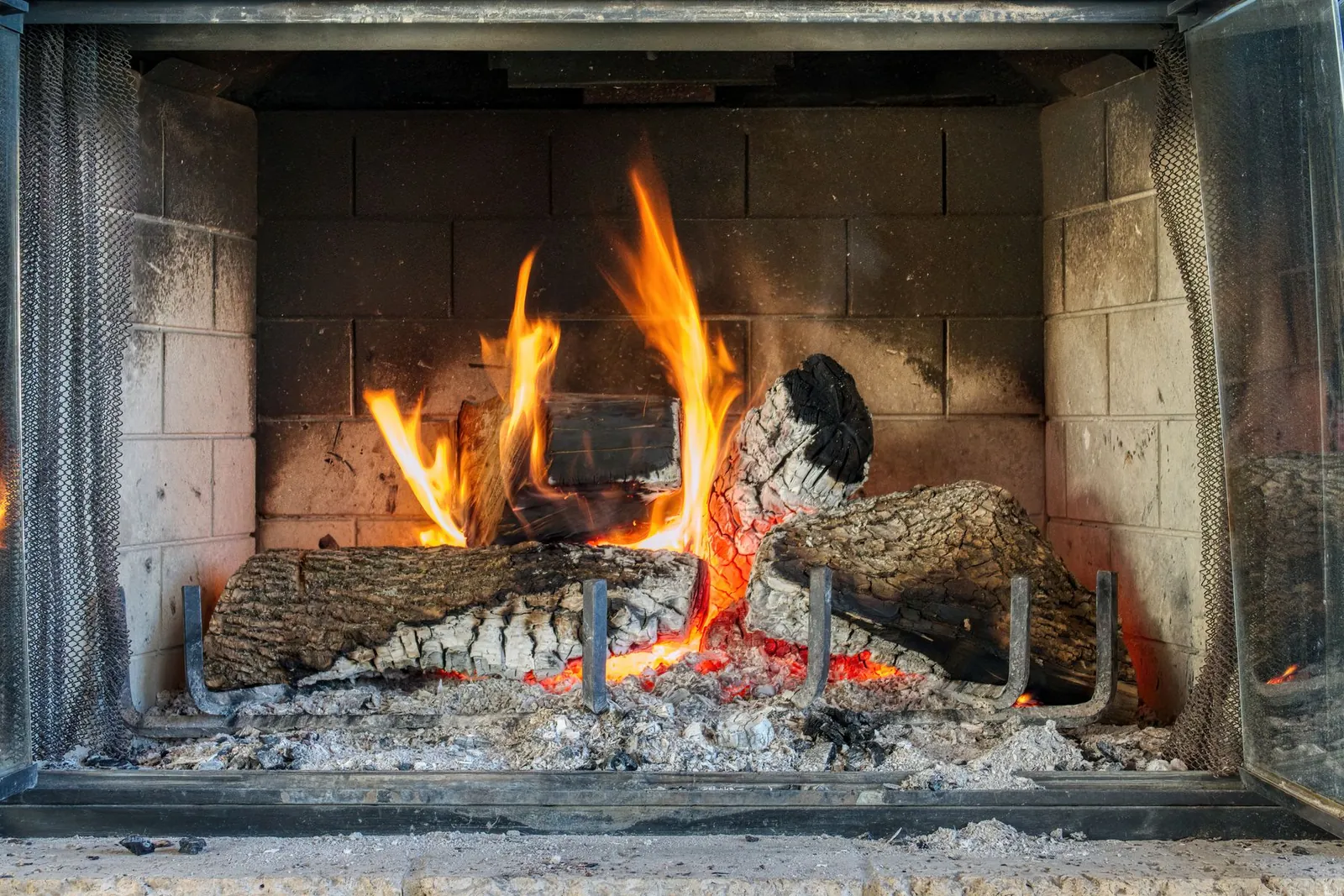
Denver fireplace rules and fines: what the code actually says
Burning an uncertified fireplace or stove on an Action Day breaks Denver code 4-24(c)(1). Denver's fine schedule sets $250 minimum and up to $2,000 per violation per day, and the owner or lessee is liable. Denver did not ban wood fireplaces; it limits when they run and what can be newly installed.
Denver Fireplace & Chimney · October 18, 2026
The fine for burning on an Action Day
Denver's air pollution rules sit in Chapter 4 of the Denver Revised Municipal Code. Section 4-24(c)(1) makes it unlawful to operate a solid-fuel-fired device during a high-pollution day unless the device has been approved by the city or by CDPHE, and it says the owner or lessee is liable. A solid-fuel-fired device is anything that burns wood, pellets, coal or similar fuel. Natural gas devices are specifically left out of that definition.
Denver Public Health and Environment publishes a fine schedule (updated February 2022). For operating a fireplace or wood stove on a high-pollution day it lists a $250 minimum and up to $2,000 per violation per day. The same $250 to $2,000 range applies to selling or installing an unapproved device, section 4-24(c)(2), and to burning prohibited fuels, section 4-24(c)(4).
Per day matters. Someone who keeps burning through a run of Action Days is looking at a separate violation for each one.
Fines elsewhere in the metro
CDPHE's FAQ explains that most cities and counties in the restricted area enforce the Action Day ban through their own local ordinances, and the state steps in only where there is no local ordinance. In those state cases, Colorado law allows civil penalties of up to $15,000 per day per violation.
Unincorporated Jefferson County has its own policy (CC07-244, revised May 2016) with fines of $100 for a first violation, $200 for a second and $300 for a third. It also exempts certain households, such as those eligible for LEAP energy assistance or with a sole-source device that predates December 1, 1989, and it has said since 1990 that a building can't be rented if a wood stove or fireplace is its only heat. If you live inside a city such as Lakewood, Aurora or Littleton, your city's ordinance governs, so check with the city.
What you may burn, any day of the year
Fuel rules apply even to an EPA-certified stove and even outside the November to March season. CDPHE allows only clean, dry, untreated wood and bans tree stumps (unless chipped), tires, chemicals, plastic, construction debris and trash. Denver's code, section 4-24(c)(4), adds its own list:
- Treated, processed or coated wood, which includes old painted trim and pallet wood.
- Coated or glossy paper and cardboard, such as magazines and pizza boxes.
- Yard waste.
- Household or commercial waste and plastics.
What can be installed in Denver
Section 4-24(c)(2) says no one may sell or install a solid-fuel-fired device in Denver unless it is certified to the applicable EPA wood stove or pellet stove standard, or is a masonry heater approved by CDPHE. Section 4-24(c)(3) allows one solid-fuel-fired device in a single-unit home built or added onto after the rule took effect. Denver's code also defines a fireplace as an opening in a chimney that holds a fire and has no specific way to recirculate heat or reduce emissions, so a new open wood fireplace is not something you can add.
State rules stack on top. Under Colorado Regulation No. 4, since May 15, 2020 no new wood-burning stove may be sold or installed in Colorado unless it meets EPA's 2015 standards (the current Step 2 level). CDPHE adds that anything bought or installed in the seven-county metro must meet current standards, that the 7,000-foot exemption covers only use and not installation, and that a used, uncertified stove may not be sold in the seven-county metro at all.
In practice, Denver homeowners who want a new hearth choose gas, electric, a pellet unit or an EPA-certified wood stove or insert. We install EPA-certified wood stoves (typically $3,000–$8,000), wood inserts with a liner ($3,000–$7,000) and gas inserts ($2,000–$8,000).
The myth that Denver banned wood fireplaces
You will hear that Denver banned wood-burning fireplaces. It did not. An existing open fireplace can still be used on any day that is not an Action Day, as long as you burn clean, dry wood. What changed is what can be newly installed and when burning is allowed in winter.
If you have an open fireplace that hasn't been used in years, it is worth having it looked at before the first fire. Our inspection is free and comes with photos and a written price.
Is there a rebate for upgrading?
Not that we can find. The federal 25C credit for efficient biomass stoves ended after 2025, according to the Hearth, Patio & Barbecue Association (installs in 2025 can still be claimed on the 2025 return). The Northern Colorado wood stove change-out voucher program is listed as no longer active, and we found no current CDPHE or Denver change-out or gas conversion rebate for 2026. Treat any advertised rebate with care and ask for the program name.
FAQ
More answers
How much is the fine for burning on a no-burn day in Denver?
Denver's fine schedule lists $250 minimum and up to $2,000 per violation per day for operating a fireplace or wood stove on a high-pollution day (code section 4-24(c)(1)).
Who gets the ticket, the owner or the tenant?
Section 4-24(c)(1) says the owner or lessee of the device is liable.
Can I put a wood fireplace in my new Denver addition?
Not an open one. Denver allows one solid-fuel device in a new or added-onto single-unit home, and it has to be an EPA-certified stove or insert, an approved pellet unit or an approved masonry heater.
Can I sell my old wood stove?
CDPHE says a used, uncertified stove can't be sold in the seven-county Denver metro, though it can be sold elsewhere in Colorado.
Keep reading
More from the blog
 Is today a no-burn day in Denver?Denver no-burn days are called Action Days. How to check the 4 p.m. state forecast, the hotline number, who has to stop burning and what still runs.
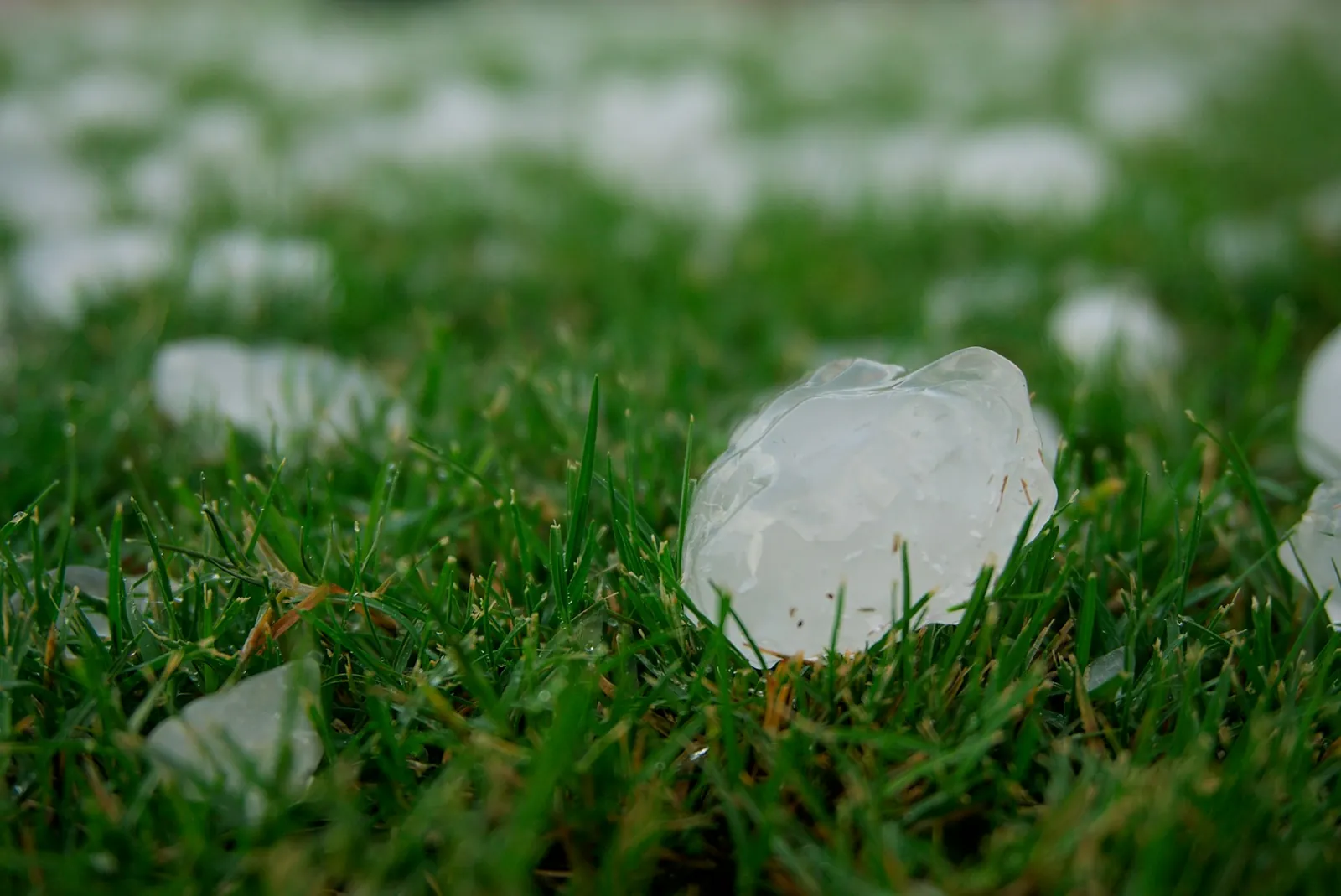 Hail hit your roof? Check these 4 chimney partsAfter a Front Range hailstorm, check the chimney cap, chase cover, crown and flashing. What hail damage looks like on each, and how to document it.
 Galvanized vs stainless chase covers: which holds up to Denver hail?Why so many Denver-area chase covers rust after hail, how galvanized and stainless steel compare, and what shape details keep water out of the chase.
Book online
Pick a day. We'll bring a ladder.
Free inspection in a 3-hour window: 8 to 11, 11 to 2, or 2 to 5. We call to confirm before we arrive.