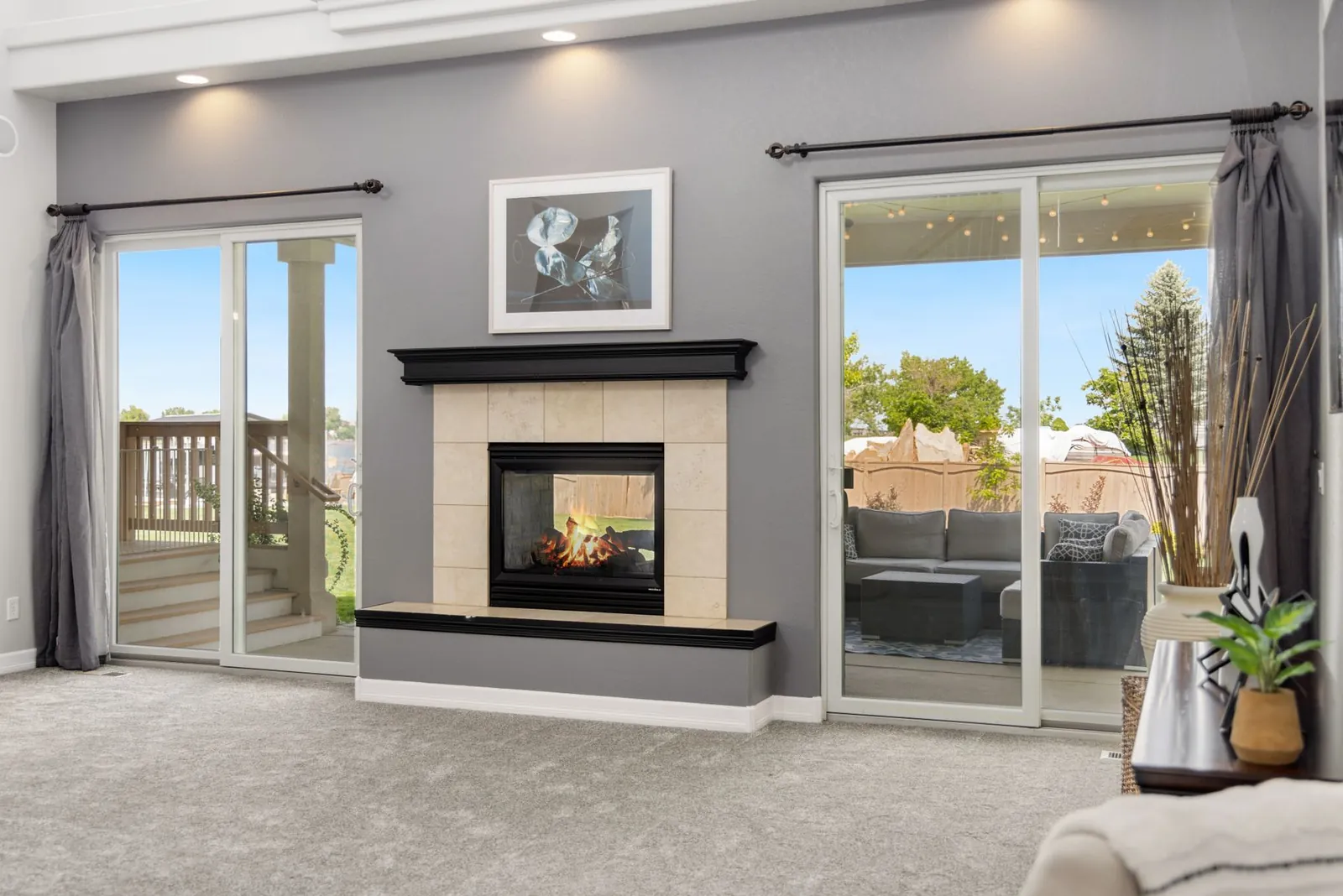
Gas fireplace at 5,280 feet: why altitude setup matters
Thinner air holds less oxygen, so gas appliances are typically derated about 4% per 1,000 feet above 2,000 feet. At Denver's elevation that is roughly 13%. A gas fireplace or insert not set up for altitude can burn rich: lazy yellow flames, soot on the glass and logs, and more carbon monoxide.
Denver Fireplace & Chimney · October 14, 2026
Why altitude changes how gas burns
A gas flame needs a set ratio of gas to air. At 5,280 feet each breath of air carries less oxygen than at sea level, but the gas still flows through the burner at the rate it was built for. Send sea-level gas into mountain air and the mix runs rich.
The heating trade handles this with a derate, meaning the appliance is set to burn less gas. An ACHR News article on high-altitude furnaces explains that most furnaces need a 4 percent derate per 1,000 feet above 2,000 feet, and some newer models only 2 percent. In it, Ryan Teschner of Rheem explains that gas appliances need oxygen to operate safely, so a derate must occur. The article notes that a Denver distributor sells every furnace with a high-altitude kit.
What 13% means for your fireplace
Using that 4 percent rule, Denver works out to about 13 percent: 5,280 feet is about 3,280 feet above the 2,000-foot line, and 3.28 times 4 is a little over 13. Homes higher in the foothills need more. At 6,000 feet the same rule gives 16 percent, and at 7,000 feet, 20 percent.
Gas fireplaces, inserts and gas log sets follow the same physics as furnaces. Each manufacturer sets its own altitude instructions, and the right setup comes from the installation manual and rating plate for your unit. It usually involves the burner orifice size and the air shutter that sets how much air mixes with the gas. A unit shipped for sea level and installed without those changes is the most common cause of the problems below.
Signs your gas fireplace isn't set up right
None of these prove an altitude problem by themselves, but together they are a reason to have the burner checked:
- Tall, lazy, mostly yellow or orange flames where the manual shows blue at the base.
- Black soot on the glass, the logs or the top of the opening.
- A smell when the fireplace runs, or eyes that sting in the room.
- A carbon monoxide alarm going off while the fireplace is on.
- A pilot that won't stay lit or a burner that shuts off after a few minutes. These are often a thermocouple, thermopile or igniter, but a poor flame can cause them too.
Why gas fireplaces are the Denver default
Census ACS data shows utility gas heats 61 to 77 percent of homes in every city we serve, against 46.5 percent nationally. Wood as the main heat is close to zero. Most homes already have a gas line, which makes gas logs and inserts a short step.
Gas also gets around the no-burn days. Denver's air pollution code says a solid-fuel-fired device does not include natural gas-fired devices, so a gas fireplace can run on an Action Day when a wood fire can't. That is a big reason so many Denver-area fireplaces burn gas, and a reason to keep the gas unit working well.
What a yearly gas fireplace service covers
We check the setup for altitude against the manufacturer's instructions, look at the flame, clean the burner, pilot assembly and glass, check the log placement (wrong placement causes soot), test the ignition and safety parts, and look at the vent and termination outside for blockage or hail damage. We also check that you have working carbon monoxide alarms.
Typical ranges: yearly service $150–$350, pilot, thermocouple or igniter work $100–$350, and a gas valve or control board $300–$1,000. Any repair is priced in writing before we start. If the vent needs cleaning, that is priced at the free inspection.
Carbon monoxide is the reason this matters
A rich flame makes more carbon monoxide. Colorado law (C.R.S. 38-45-102) already requires a carbon monoxide alarm within 15 feet of the entrance to every bedroom when a home with a fireplace or fuel-fired appliance is sold, and after permitted work such as replacing a gas appliance. Even outside those triggers, an alarm near the bedrooms is cheap protection in any home with a gas fireplace.
FAQ
More answers
Does my gas fireplace need to be adjusted for altitude?
Usually yes, unless it was already set up for altitude at install. The common rule is a 4 percent derate per 1,000 feet above 2,000 feet, about 13 percent in Denver. Your unit's manual gives the exact steps.
Why won't my gas fireplace pilot stay lit?
The most common causes are a worn thermocouple or thermopile, a dirty pilot assembly or a poor flame. Pilot, thermocouple or igniter work typically runs $100–$350.
Does a gas fireplace need its chimney cleaned?
Gas burns cleaner than wood, but vents still get nests, debris and hail damage at the top. We check the vent at the free inspection and price any cleaning there.
Can I use my gas fireplace on a no-burn day?
Yes. Denver's code excludes natural gas-fired devices from the solid-fuel rules that apply on Action Days.
Keep reading
More from the blog
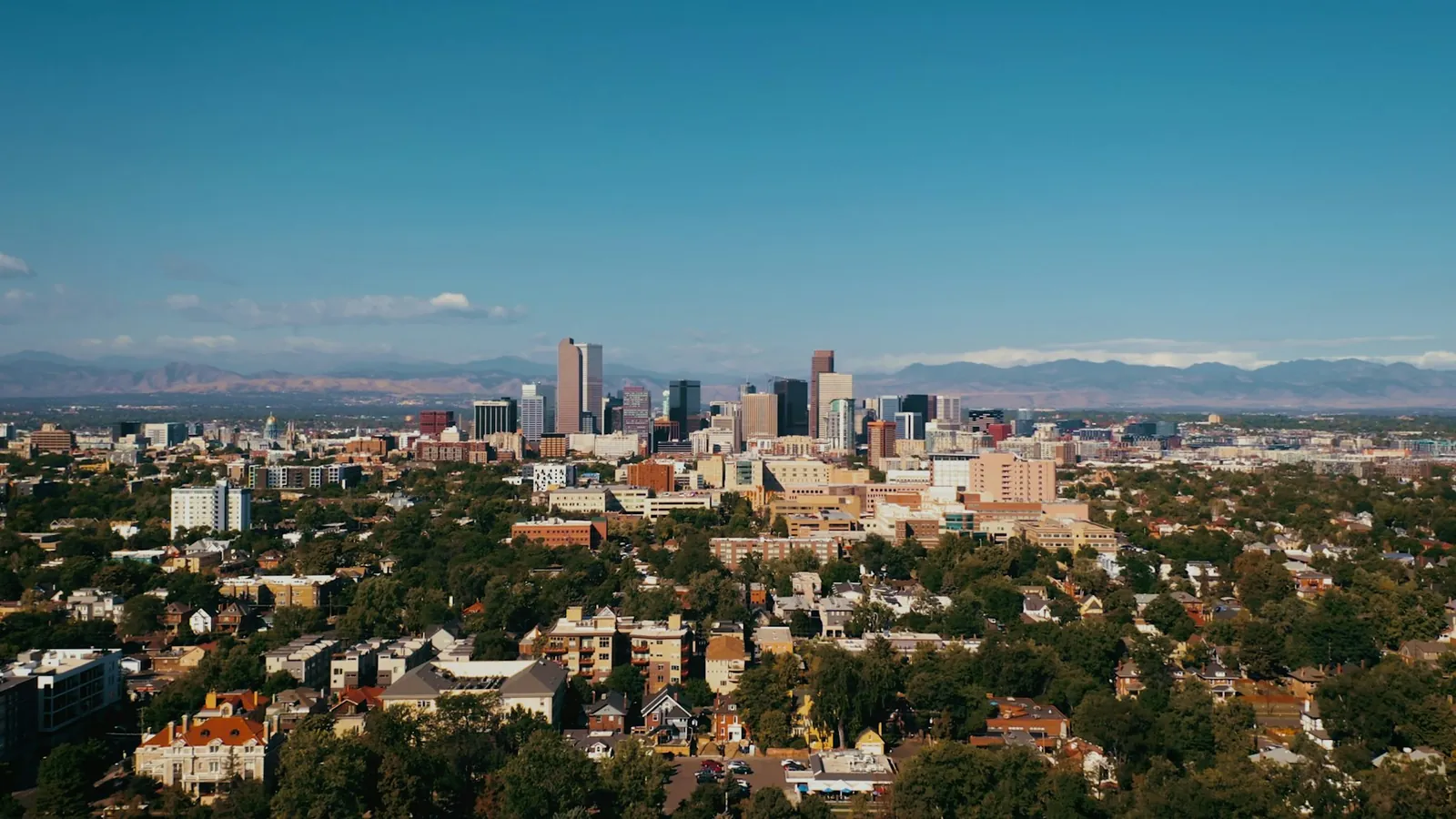 Is today a no-burn day in Denver?Denver no-burn days are called Action Days. How to check the 4 p.m. state forecast, the hotline number, who has to stop burning and what still runs.
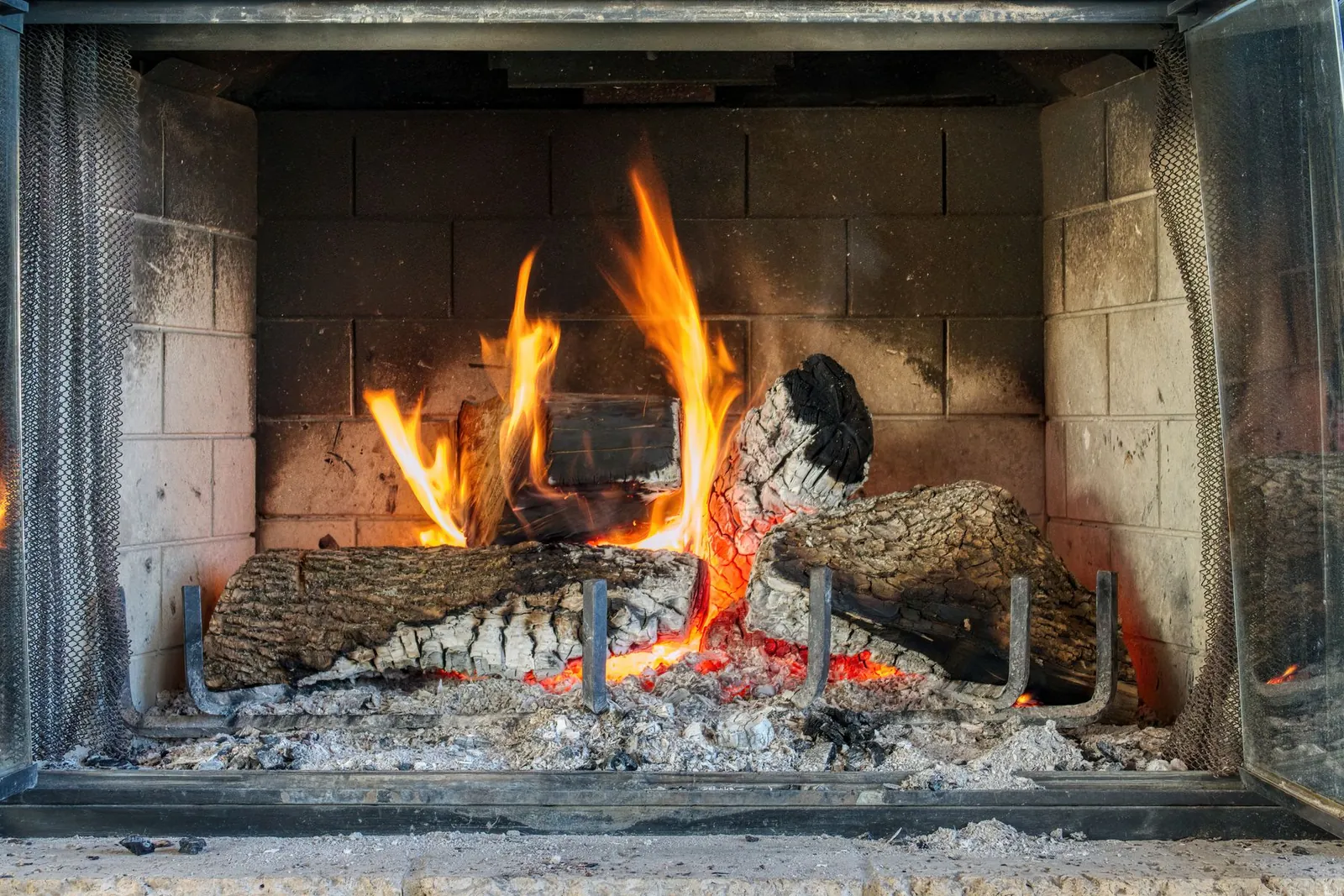 Denver fireplace rules and fines: what the code actually saysBurning on a Denver Action Day carries a $250 minimum fine, up to $2,000 per day. The code sections, what you may burn, and what can be installed.
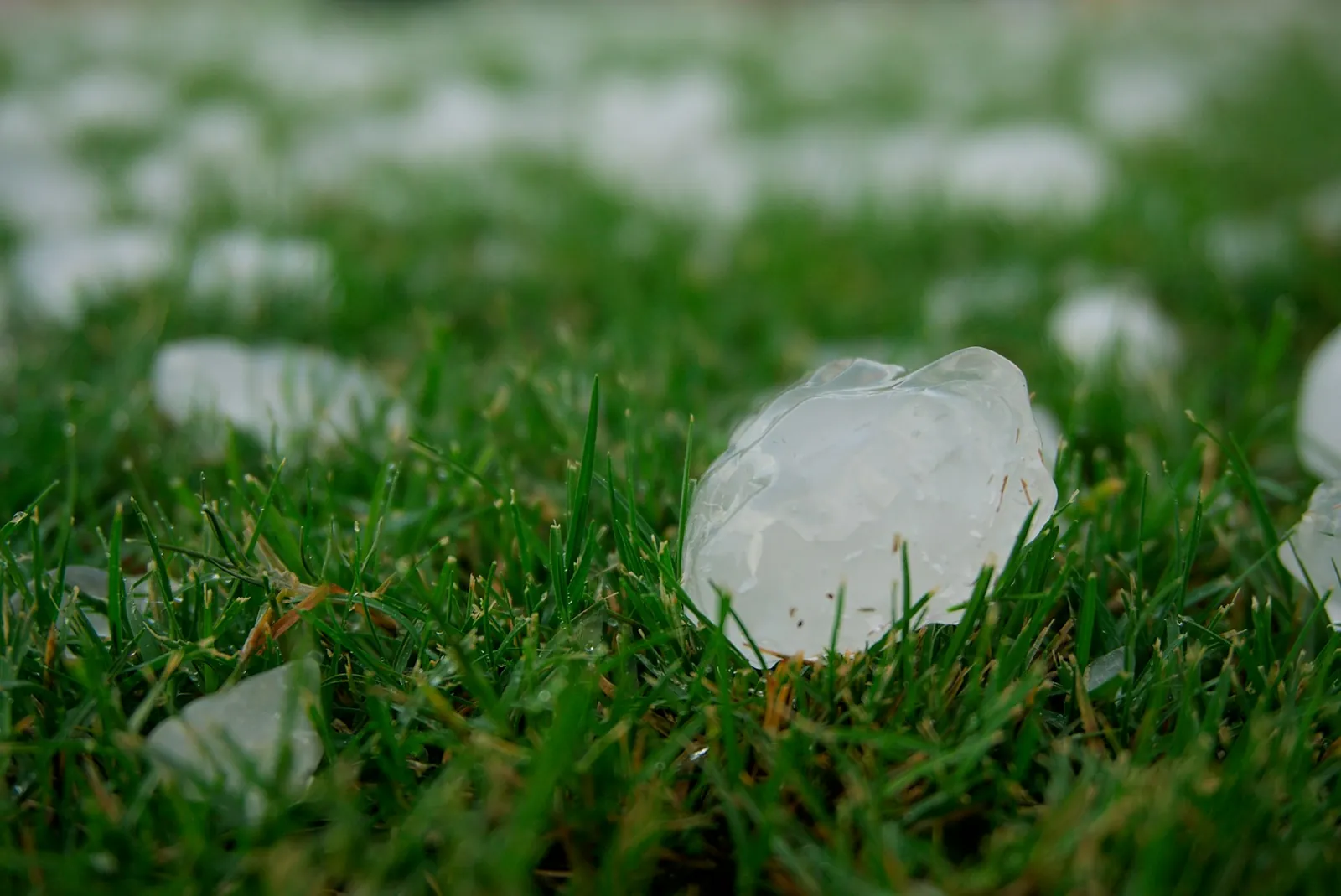 Hail hit your roof? Check these 4 chimney partsAfter a Front Range hailstorm, check the chimney cap, chase cover, crown and flashing. What hail damage looks like on each, and how to document it.
Book online
Pick a day. We'll bring a ladder.
Free inspection in a 3-hour window: 8 to 11, 11 to 2, or 2 to 5. We call to confirm before we arrive.